

What is homeopathy?
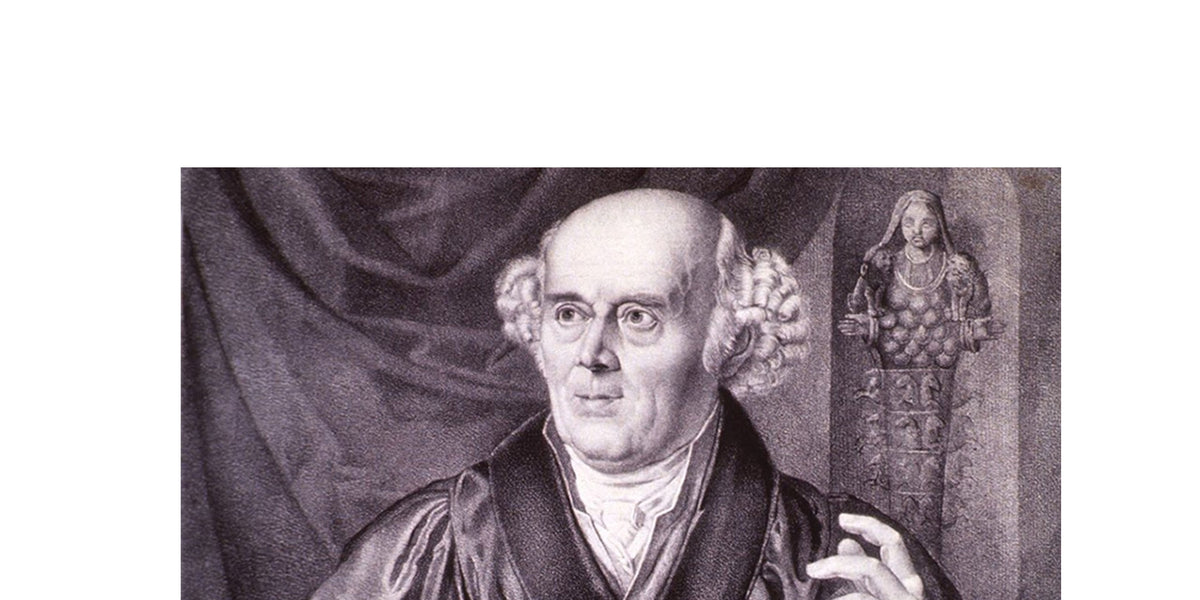
This isn't an uncommon question, but the answer goes back more than 200 years. Homeopathy dates back to the late 1700s, when Dr. Samuel Hahnemann, a German physician and medical school graduate, grew dissatisfied with many of the medical practices of the time.
Hahnemann was born in Germany in 1755 and earned his medical degree in 1779, when medicine looked considerably different from what it does today. Treatments such as bloodletting and the use of toxic substances were common, and Hahnemann became increasingly concerned that some treatments could cause more harm than the illnesses they were intended to address.
That dissatisfaction eventually led him to explore a different path.
The Start of Homeopathy:
While translating a medical text, Hahnemann encountered claims about cinchona bark, which contains quinine and was used to treat malaria. Curious about its effects, he experimented on himself and believed the substance produced symptoms resembling those associated with malaria.
This observation contributed to one of homeopathy's central principles: "like cures like." The idea proposes that a substance that can produce certain symptoms in a healthy person may, when prepared according to homeopathic methods, address similar symptoms in someone unwell.
Hahnemann continued experimenting with substances and developed a preparation process involving repeated dilution and shaking, known as succussion. He formally presented these ideas in his 1810 book, The Organon of the Healing Art, which became a foundational text of homeopathy.
Homeopathy Takes on the World:
During the 1800s, homeopathy spread throughout Europe and eventually reached the United States. Homeopathic medical schools, pharmacies, hospitals, and professional organizations formed, and the practice gained a substantial following that remains today.
While its popularity declined as conventional medicine advanced, homeopathy never fully disappeared. In fact, homeopathic products remain available worldwide today and are used by people seeking complementary approaches to personal wellness. Many may see that homeopathic remedies and distrust of pharma are on the rise, raising the question: Will homeopathy replace everyday medicine?
From one physician questioning the medicine of his era to a practice recognized around the world, homeopathy certainly has a story worth telling, and it all started with someone willing to ask, "Is there another way?"
Continuing the Homeopathic Tradition:
Even though it's been more than 200 years since Hahnemann introduced the principles of homeopathy, proBLENopathy continues to build on this tradition with modern homeopathic formulas designed to support everyday health and wellness. Using established homeopathic preparation principles, proBLENopathy offers a wide variety of convenient oral sprays created to support areas such as hormone balance, energy, sleep, stress, immune health, detoxification, and overall vitality.
With easy-to-use, portable formulas manufactured for today's busy lifestyles, proBLENopathy brings a centuries-old approach to wellness into the modern world, because while homeopathy may have started before our time, your wellness routine certainly doesn't have to feel like it did.


