

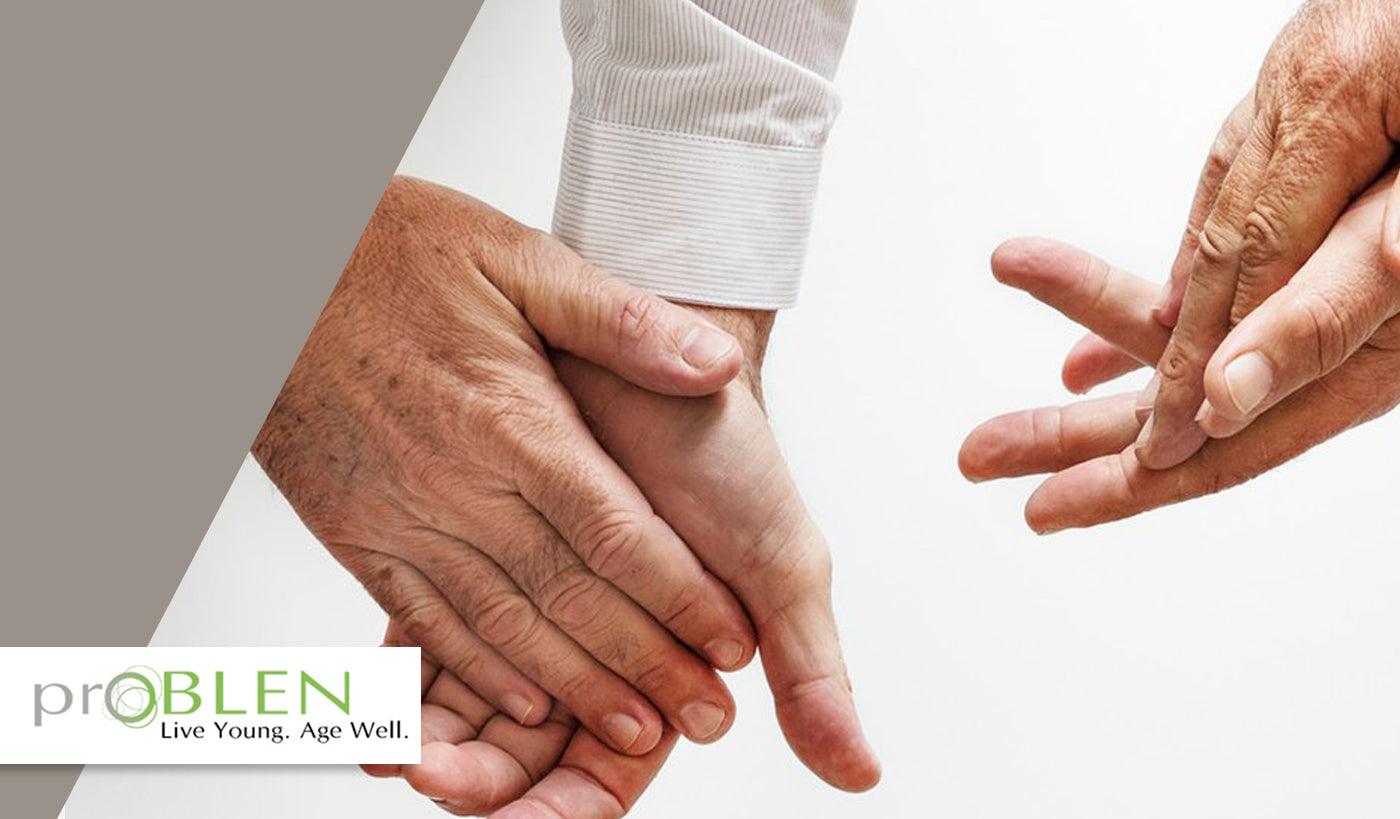
Have you heard? Collagen is one of the secrets to slowing the aging process. It has gained considerable popularity over the past few years, but what exactly is it, and what does it do?
Nearly 70% of our skin is made from collagen. It’s a protein that helps give our skin strength and elasticity, and helps to replace dead skin cells. It helps hold our body together and is found in bones, blood vessels, the digestive system, skin, and tendons. Like with other hormones and processes, collagen production tends to slow down with time.
As early as age 21, the body’s production of new collagen slows and existing collagen begins to deteriorate. At age 60, people have half as much collagen as they did at 21. Due to its control of so many parts of the body, the signs of low collagen production are often pretty noticeable. Skin starts to wrinkle and sag, and cartilage and joints become weaker. UV rays exacerbate these issues and can contribute to wrinkled, dry, and saggy skin. Both estrogen and testosterone affect collagen production, so both men and women are susceptible to these changes.
While collagen sounds like it may just affect the way our skin looks, it has a plethora of benefits that affect how our body operates on the inside and how it protects itself from the outside world. Some of the benefits of collagen include:
Reducing UV-Ray Related Skin Damage:
Collagen helps the skin repair itself, so it’s no secret that it can help the skin bounce back from UV-related damage. Assisting your body with collagen production can increase skin hydration and reverse damage, as well as protect from the rays of the sun.
Eliminate Stretch Marks and Cellulite:
Collagen strengthens the dermis layer of the skin, which dramatically affects appearance. By improving skin elasticity, it’s easier to hide marks and fat below the skin.
Cancer Prevention:
Decreased collagen levels may lead to the formation of precancerous or cancerous cells, especially when the skin is left vulnerable to UV radiation.
Amino Acids:
Collagen is a source of amino acids, which aid in hormone production.
Thyroid Function:
Collagen helps to support a healthy thyroid and may help to control cortisol imbalances.
Joint Health:
As collagen decreases, our joints and ligaments start getting a little rusty. Collagen creates a smooth structure that covers our joints and bones, which allows them to move more easily. Adding collagen to your diet may help with arthritis or other issues with painful joints.
Metabolism Booster:
Amino acid glycine helps the body to form muscle tissue by converting glucose into energy. Glycine (found in collagen) also helps the body produce more healthy cells from DNA and RNA.
Collagen has a significant number of benefits and can be very helpful in slowing aging and helping the skin regain elasticity and youthfulness.


