

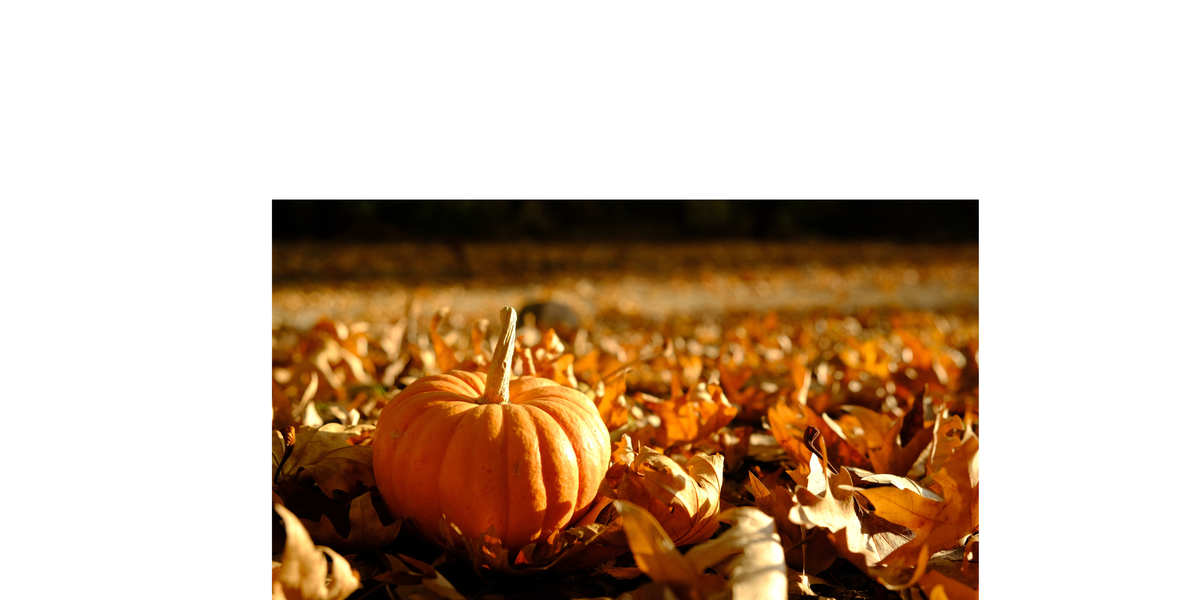
When autumn arrives, pumpkins seem to appear everywhere. From pumpkin spice lattes and freshly baked pies to front porch decorations and seasonal recipes, this bright orange favorite has become one of the most recognizable symbols of fall. But did you know that pumpkins are more than just a festive decoration or delicious seasonal treat? Beneath that bright orange skin is a fruit packed with nutrients, antioxidants, and a fascinating history that stretches back thousands of years.
For all the pumpkin lovers out there, here's why your favorite fall ingredient deserves a little extra appreciation!
From Ancient Harvests to Halloween Traditions:
Pumpkins have a surprisingly long history. Native to the Americas, pumpkins and other cultivated squashes have been grown for thousands of years. Archaeological evidence from Mexico suggests that some of the earliest domesticated squash plants date back approximately 10,000 years.
Indigenous peoples throughout the Americas cultivated squash as an important food source long before European colonization. Pumpkins eventually spread to other parts of the world, becoming popular ingredients in soups, breads, and other traditional dishes.
Interestingly, the tradition of carving jack-o'-lanterns originated in Ireland and other parts of the British Isles, where people carved turnips and other root vegetables. When immigrants brought the tradition to North America, pumpkins became a popular alternative because they were larger and easier to carve.
Today, pumpkins are a beloved symbol of autumn, but their nutritional value makes them worth enjoying all year long.
A Nutritional Powerhouse Hiding in Plain Sight:
Pumpkins aren't just colorful; their bright orange flesh is a clue to one of their most valuable nutritional components: beta-carotene.
Beta-carotene is a plant pigment that the body can convert into vitamin A, an essential nutrient that contributes to normal vision, immune function, and healthy skin.
Pumpkin also provides several other beneficial nutrients:
-
Vitamin C: Supports normal immune function and collagen production.
-
Potassium: Helps regulate fluid balance and supports normal muscle and nerve function.
-
Fiber: Supports digestion and contributes to a healthy, balanced diet.
-
Carotenoids: Plant pigments with antioxidant properties that researchers continue to study for their roles in long-term health.
Even pumpkin seeds offer nutritional benefits, providing protein, magnesium, zinc, and healthy unsaturated fats.
What Does Modern Research Say?
Researchers have become increasingly interested in pumpkin's naturally occurring compounds, particularly carotenoids, polysaccharides, and phenolic compounds.
Studies suggest that diets rich in carotenoid-containing fruits and vegetables may contribute to long-term health. Pumpkin's beta-carotene is especially valuable because the body can convert it into vitamin A, which plays an established role in normal immune function and vision.
Scientists have also investigated pumpkin extracts and seeds for potential effects on blood sugar regulation, inflammation, and cardiovascular health. However, much of this research remains preliminary, and eating pumpkin hasn't been proven to prevent or treat these conditions. Still, its nutritional profile makes pumpkin a worthwhile addition to a varied, balanced diet.
Pumpkin Spice Isn't Quite the Same as Pumpkin:
Here's something that might surprise even the biggest pumpkin lovers: pumpkin spice usually doesn't contain any pumpkin at all! Instead, it's typically a blend of cinnamon, nutmeg, ginger, cloves, and sometimes allspice.
While these spices contain interesting plant compounds of their own, a pumpkin spice latte or sugary pumpkin dessert doesn't necessarily provide the same nutritional benefits as actual pumpkin. For a healthier seasonal option, try adding plain pumpkin purée to oatmeal, smoothies, soups, or homemade baked goods. Just be sure to choose 100% pumpkin purée rather than sweetened pumpkin pie filling when you want to control the added sugar.
Fall in Love With Pumpkin All Over Again:
Whether you roast it, blend it into soup, sprinkle its seeds over a salad, or stir it into your morning oatmeal, pumpkin offers a delicious way to incorporate valuable nutrients into your everyday routine.
At proBLENopathy, we believe that understanding the natural ingredients around us is an important part of making informed wellness choices. Sometimes, the foods we associate with celebrations and traditions have interesting nutritional stories worth exploring.
So this fall, enjoy your pumpkin favorites, and remember that there's a lot more to this seasonal superstar than pumpkin spice!


